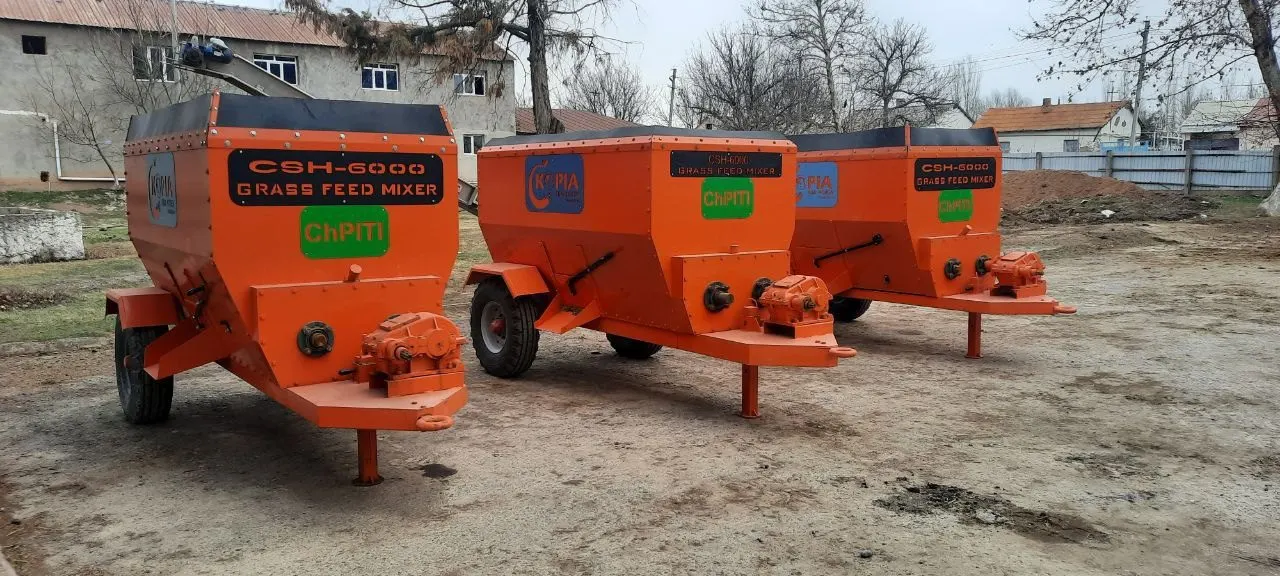
Introducing the TMR technology with the KOPIA Center
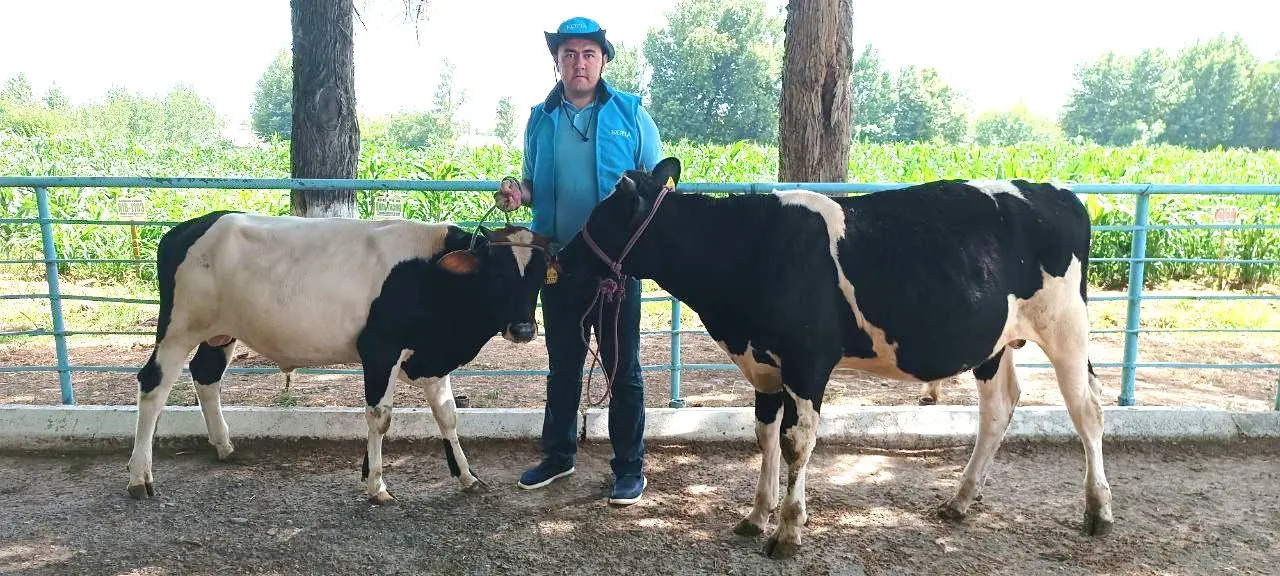
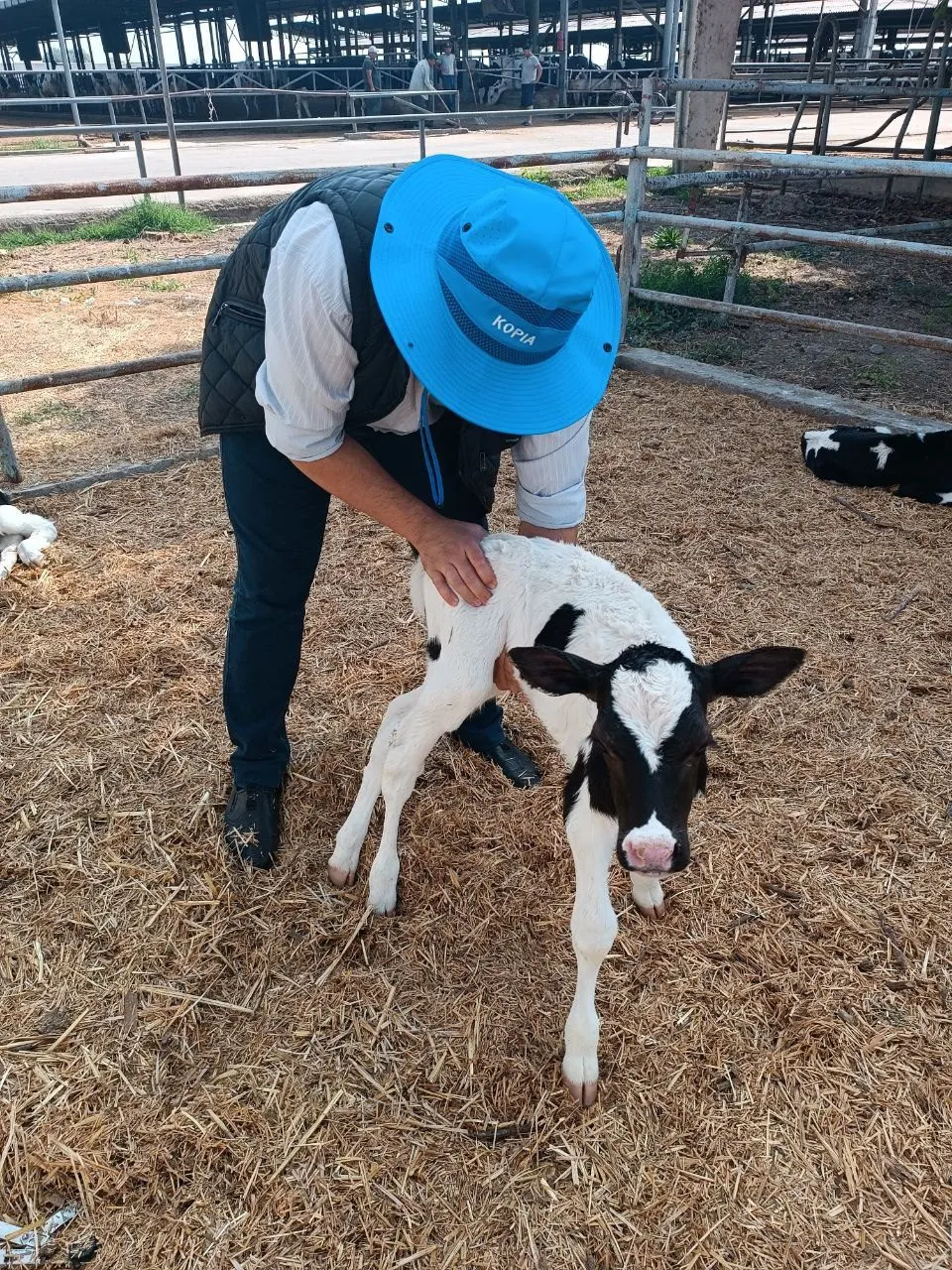
Since 2015 cattle-development projects have been carried out with the KOPIA Center; local cattle in nearly 600 households have been raised using the TMR technology.
Read moreSince 2015 cattle-development projects have been carried out with the KOPIA Center; local cattle in nearly 600 households have been raised using the TMR technology.
Read moreTogether with the KOPIA Center, semen of high-yielding Korean Holstein bulls was imported and artificial insemination carried out on 14 farms.
Read moreIn 2023 embryos from high-yielding Holstein cows were imported from the USA and South Korea and transplanted on three farms in Tashkent region.
Read moreUnder EU-AGRIN — funded by the European Union and implemented by UNDP with the Ministry of Agriculture — scientists of the Ohangaron branch run an innovation project on m…
Read moreAn applied research project with the Institute of Genetics and Plant Experimental Biology of the Academy of Sciences: creating genetic passports of cattle and early detec…
Read moreThe Biochemistry Laboratory’s topic for 2024–2026: methods of synthesising a biosensor that detects oxytetracycline and chloramphenicol.
Read moreThe Biotechnology Laboratory’s topic for 2024–2026: vermicompost production and growing black soldier fly larval biomass.
Read moreThe Kashkadarya station’s topic for 2022–2024: adapting imported breeding cattle to the southern regions and carrying out selection work.
Read moreAn applied project of the Rabbit Breeding and Genetics Centre: local does were crossed with Flemish Giant and then Californian rabbits to obtain first- and second-generat…
Read moreTo build an electronic database from ICARDA and Institute data, 84 variety samples were sown in 2023 and 32 selected; these were sown on the experimental farm in 2024.
Read more